
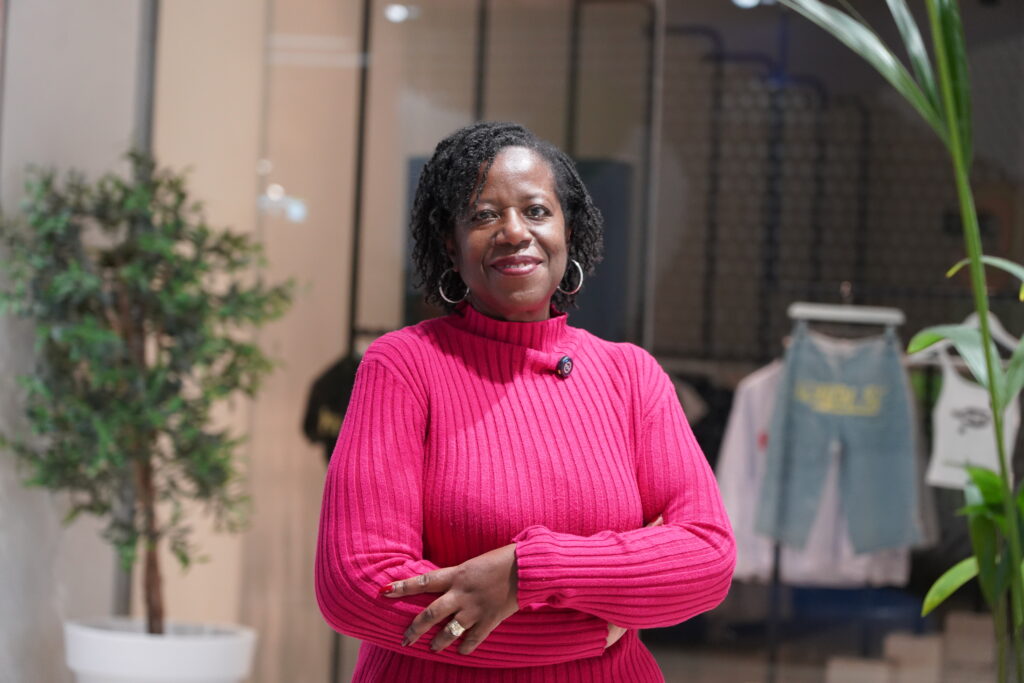
In my LinkedIn live this week, I talked about how to get promoted when you hate self-promotion. If you missed it, you can watch the replay here: How to Get Promoted When You Hate Self Promotion
In this edition of Quietly Visible, I share tips to help you get your next promotion, some of which overlap with what I discussed on my LinkedIn live.
Getting promoted isn’t just about doing good work — it’s about being seen as the leader you already are and demonstrating your ability to perform at the next level.
You've proved yourself at Head of Department level. You're delivering results, leading your department well, and you know you're ready for more. So why hasn't the promotion happened yet?
For many experienced leaders, it's not about capability. It's about visibility, positioning, and making the shift from being seen as excellent in your current role to being seen as ready for the next one. Making the shift from operational to strategic.
1. Examine what you believe about your place at the table
When thinking of going to the next level, imposter syndrome and self-doubt can often rear their heads. It's that negative self-talk that says the timing isn't right, that you need one more thing before you're ready, or that others are better positioned than you.
One of my coaching clients had convinced herself she wasn’t strategic enough so was holding herself back. She compared herself to her colleague who she thought was much more strategic than her and put herself down.
I helped her see that she WAS strategic in her thinking. Many of her ideas had been taken forward. Because she was so hard on herself, she didn’t see her achievements as being significant. Furthermore, she recognised that her colleague wasn't really very strategic — he just talked a good talk.
Examine those beliefs. Where are they coming from? Are they yours — or have they been handed to you by an environment that wasn't built with you in mind?
2. Get clear on what senior and executive leadership actually looks like in your organisation
Study the people already operating at the level you want. Not to copy them, but to understand what's valued, what's rewarded, and what the unwritten rules are. Get feedback on how you're currently perceived at that level. The gap you need to close may be smaller than you think — or it may be in an area you haven't considered.
3. Start operating strategically now
The shift from Head of Department to senior/executive leader is fundamentally a shift in how you think, not just what you do. It means moving from managing your function well to shaping the direction of the organisation. What do you know about the strategic priorities? Can you speak to them with confidence? Are you seen as someone who thinks beyond your own department? Start demonstrating that now.
4. Build your visibility deliberately
This is where many capable leaders stall. The people making promotion decisions need to know you, not just know of you. Build genuine relationships across the organisation, particularly with senior stakeholders. Make sure your work and your thinking are visible beyond your own department. If the right people don't know what you bring and the value you add, that needs to change.
5. Be known for driving change, not just managing it
Senior leaders are expected to shape the organisation, not just respond to it. What have you initiated? What have you improved? What problems have you solved that went beyond your remit? If you can't point to clear examples, what can you start doing now to create them?
6. Seek out senior level experience before you have the title
Cover for your manager. Represent your department at executive level meetings. Take on cross-organisational projects. Apply for secondments if available. The aim is to demonstrate that you can already operate at the next level, so when the decision is made, it feels like a natural step to the decision makers, not a risk.
7. Lead from who you are
One of the biggest mistakes experienced leaders often make at this stage is trying to shape themselves into a version of leadership that doesn't fit them. It's exhausting and can come across as inauthentic. Inauthenticity creates a lack of trust.
The most effective senior leaders lead from a place of genuine self-awareness — knowing their strengths, understanding their impact, and adapting where needed without losing themselves in the process.
8. Invest in your development strategically
A coach can help you work through the internal shifts this transition requires and the external barriers. A mentor who has made the journey you're making can offer perspective and guidance. A sponsor — someone senior who will advocate for you in rooms you're not in — can be the difference between being considered and being overlooked.
All three matter, so get them in your corner.
9. Don't mistake busyness for progress
It's easy to stay so focused on delivering in your current role that you neglect to invest in your next one. The journey to senior leadership requires intentional action, not just hard work. Don’t get so caught up in busyness and mistake that for progress.
Enjoy the journey to the next level — the experiences, the lessons, even the setbacks are shaping the kind of senior or executive leader you'll become.
Which of these nine resonates most with where you are right now?